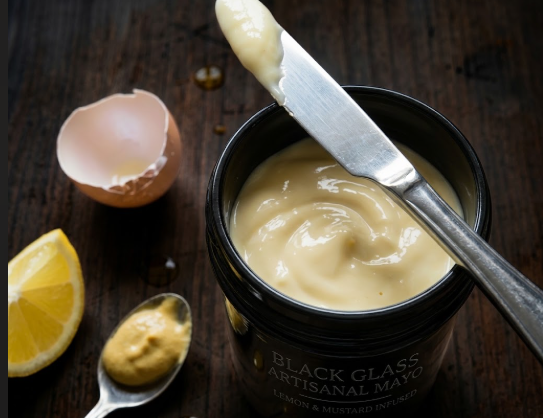
Creating homemade condiments from scratch elevates ordinary dishes into restaurant-standard dining experiences. While home cooks often look for impressive, showstopping centerpieces like an elegant Stuffed beef Tenderloin Recipe for dinner parties, mastering fundamental emulsification techniques is just as essential. Following the chef-proven method in Gordon Ramsay’s Best Mayonnaise Recipe, you can transform simple egg yolks, Dijon mustard, fresh lemon juice, and quality oil into an ultra-creamy, velvety emulsion in less than ten minutes. Ditch store-bought jars forever and discover the rich, clean taste of authentic homemade mayonnaise.
Why You’ll Love This Recipe
Making mayonnaise at home gives you complete control over texture, acidity, and fat quality without artificial stabilizers or excess sugar:
- Unrivaled Texture: A silky, luxurious consistency that commercial bottled products simply cannot replicate.
- Pure Flavors: Fresh lemon juice, quality Dijon mustard, and sea salt deliver a clean, vibrant taste that brightens salads, seafood, and roasted meats.
- Ready in Minutes: With an immersion blender, food processor, or steady whisk hand, the sauce emulsifies in under ten minutes.
- Culinary Foundation: Mastering the emulsification mechanics behind Gordon Ramsay’s Best Mayonnaise Recipe builds foundational kitchen discipline that enhances more complex savory projects, like a roasted Stuffed Pork Tenderloin Recipe.
Ingredients & Smart Substitutions
- Egg Yolks: Use fresh, large eggs. Room-temperature yolks bind oil droplets far more efficiently than cold ones. If concerned about raw eggs, choose pasteurized shell eggs.
- Dijon Mustard: Acts as both a flavor enhancer and a natural emulsifier thanks to lecithin present in mustard seeds.
- Neutral Oil: Grapeseed, sunflower, light olive oil, or canola oil work best. Avoid robust extra virgin olive oil as the primary fat, as intense blending can release bitter polyphenols.
- Fresh Lemon Juice: Adds necessary acidity to loosen the emulsion and balances rich egg fats. White wine vinegar makes an excellent alternative.
- Fine Sea Salt & White Pepper: Clean seasonings that dissolve smoothly without speckling the pale ivory sauce with dark grains.
Chef’s Masterclass: Stuffed Pork Tenderloin
Understanding kitchen fundamentals like temperature management and binding ties directly into preparing savory roasts. A gourmet Stuffed Pork Tenderloin Recipe makes a stunning partner for scratch-made aiolis and herb mayonnaise.
How to Choose and Prepare the Pork
Pork tenderloin is an exceptionally lean, tender cut that requires careful butchering. Look for firm, rosy meat with minimal surface moisture. Before cooking, remove the silverskin—a tough, white band of connective tissue running along the exterior. Slide a sharp boning knife just under the membrane, angle the blade slightly upward away from the meat, and glide it along the strip to remove it cleanly without removing precious meat.
How to Make the Stuffing and Roll the Tenderloin
- Butterfly the Loin: Slice lengthwise through the center of the tenderloin, cutting about two-thirds deep without cutting completely through. Open the meat flat like a book, cover with plastic wrap, and pound gently using a meat mallet until it reaches an even 1/2-inch thickness.
- Layer the Filling: Prepare a savory filling of sautéed shallots, garlic, baby spinach, toasted panko breadcrumbs, and grated aged Gruyère or Parmesan. Allow the filling to cool to room temperature, then spread it evenly across the pork, leaving a 1/2-inch border around all sides.
- Roll and Secure: Roll the tenderloin tightly into a compact log. Tie butcher’s twine around the meat at 1-inch intervals to keep the stuffing enclosed and ensure uniform roasting.
How to Cook and Check Doneness
Sear the rolled tenderloin in a hot oven-safe skillet with olive oil for 2 minutes per side until deeply browned, then roast at 400°F (200°C). Always use an instant-read digital thermometer inserted into the thickest part of the meat to verify safety. In accordance with USDA guidelines, cook pork to an internal temperature of 145°F (63°C), followed by a mandatory 3-minute rest. Resting allows internal juices to settle back into the meat fibers so every medallion stays succulent.
Step-by-Step Emulsification Technique
1. Bring Ingredients to Room Temperature
Cold ingredients resist combining. Take the egg yolks and lemon juice out of the refrigerator 20 to 30 minutes before starting. Room-temperature yolks absorb oil droplets much more readily, preventing the sauce from separating.
2. Secure Your Mixing Vessel
Dampen a kitchen towel, twist it into a ring, and set your mixing bowl inside it. This anchors the bowl securely on your countertop so both hands remain free—one to continuously whisk and the other to pour oil.
3. Whisk the Emulsion Base
Place the egg yolks, Dijon mustard, a pinch of fine sea salt, and 1 teaspoon of lemon juice into the bowl. Whisk vigorously for 60 to 90 seconds until the mixture turns pale yellow, slightly thick, and frothy.
4. Slowly Incorporate the Oil
Begin adding the oil drop by drop while whisking rapidly without stopping. Once the emulsion takes hold and visibly thickens, you can increase the pour to a thin, steady stream. Whisk continuously until all oil is fully incorporated and the sauce is glossy and firm.
5. Season and Adjust Acidity
Whisk in the remaining lemon juice and season to taste with fine sea salt and a pinch of ground white pepper. If the mayonnaise feels overly stiff, whisk in a teaspoon of warm water to soften the body to your desired consistency.
Resting and Slicing Tips
Temperature control and resting play a crucial role across culinary techniques. Chilling fresh mayonnaise in the refrigerator for 30 minutes before serving allows the flavors of the mustard, lemon, and seasonings to marry properly. Similarly, when carving roasted meats from a Stuffed Pork Tenderloin Recipe, always let the roast rest on a cutting board for 5 to 8 minutes before removing the kitchen twine and slicing into neat rounds; cutting too soon releases hot juices, leaving the meat dry.
Common Mistakes to Avoid
- Pouring Oil Too Fast: Adding oil in large splashes overwhelms the egg yolks before droplets can disperse, causing the emulsion to break into an oily soup.
- Using Cold Egg Yolks: Cold fats and proteins do not blend smoothly. Ensure yolks are at room temperature before whisking.
- Overusing Strong Extra Virgin Olive Oil: Heavy extra virgin olive oil can impart a bitter, pungent taste when emulsified at high speeds. Stick with light olive oil or neutral grapeseed oil.
- Skipping Natural Emulsifiers: Always include Dijon mustard; its natural compounds stabilize the microscopic bond between water and oil molecules.
Frequently Asked Questions
How do I fix broken mayonnaise?
Place a fresh room-temperature egg yolk or a teaspoon of Dijon mustard in a clean bowl. Whisk vigorously while slowly dripping the broken mayonnaise into the new base. The fresh yolk will pull the broken sauce back into a smooth emulsion.
How long does homemade mayonnaise keep?
Store your mayonnaise in an airtight glass jar in the coldest part of your refrigerator. Because it contains fresh egg yolks without chemical preservatives, use it within 4 to 5 days.
Can I make this in an immersion blender?
Yes. Add the egg yolks, Dijon mustard, lemon juice, salt, and all of the oil together into a tall, narrow blending cup. Place the immersion blender head flat against the bottom, blend on high for 10 seconds until thick at the base, then slowly pull the wand upward to emulsify the remaining oil.
Gordon Ramsay’s Best Mayonnaise Recipe
A classic, foolproof culinary emulsion that yields ultra-creamy, velvety homemade mayonnaise in under ten minutes.
Ingredients
- 2 large egg yolks, room temperature
- 1 teaspoon Dijon mustard
- 1 to 2 tablespoons fresh lemon juice (or white wine vinegar), divided
- 250 ml (approx. 1 cup) neutral oil (grapeseed, sunflower, or light olive oil)
- 1/4 teaspoon fine sea salt, plus more to taste
- Pinch of finely ground white pepper
- 1 teaspoon warm water (optional, to adjust consistency)
Instructions
- Anchor Bowl: Place a damp kitchen towel rolled into a ring on your work surface and rest a round-bottom mixing bowl securely inside.
- Whisk Base: Add the room-temperature egg yolks, Dijon mustard, fine sea salt, and 1 teaspoon of fresh lemon juice to the bowl. Whisk vigorously for about 1 minute until pale, smooth, and slightly frothy.
- Drizzle Oil Slowly: While whisking continuously with your dominant hand, begin adding the neutral oil with your other hand, literally drop by drop. Do not rush this initial stage.
- Stream Remaining Oil: Once the mixture visibly thickens into an opaque ribbon, increase the flow of oil to a slow, steady stream. Keep whisking steadily until all the oil is emulsified into the sauce.
- Adjust Consistency: Whisk in the remaining lemon juice and ground white pepper. Taste and adjust with additional salt if needed. If the texture is too dense, whisk in a teaspoon of warm water to achieve a velvety, spreadable consistency.
- Store and Chill: Transfer the finished mayonnaise into a sterilized, airtight glass jar. Refrigerate for at least 20 minutes before serving. Enjoy within 5 days.
Final Recipe Notes & Flavor Variations
Mastering Gordon Ramsay’s Best Mayonnaise Recipe provides the foundation for endless gourmet sauces. Fold in roasted garlic paste for a classic aioli, stir in smoked paprika and lime juice for a spicy dipping sauce, or combine with chopped herbs and capers for tartare sauce. Whether slathered across warm brioche sandwiches, served alongside crispy fries, or plated next to an impressive Stuffed Pork Tenderloin Recipe, this scratch-made condiment delivers unmatched elegance and pure flavor.