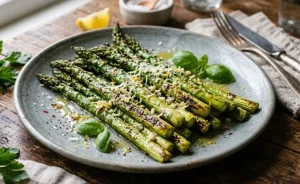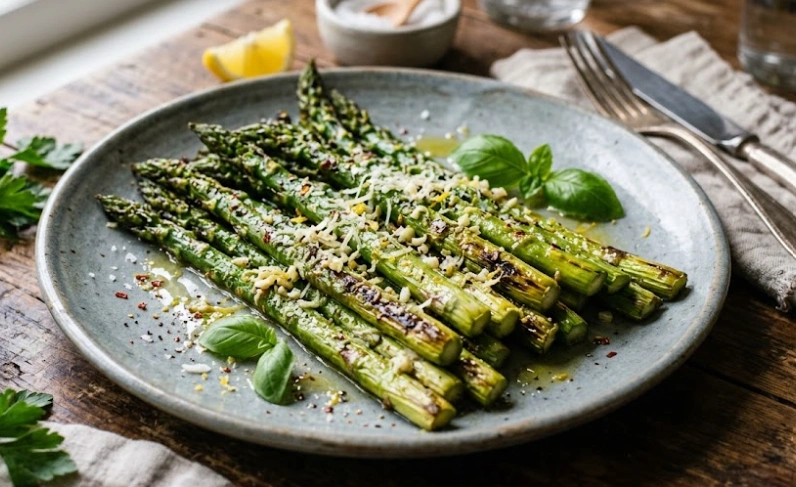
Tender, vibrant green spears paired with a silky, herb-scented emulsified sauce make this classic French dish an undeniable showstopper. Inspired by chef-level technique, this Gordon Ramsay Best Asparagus Recipe pairs crisp-tender blanched asparagus with a Mediterranean-style lemon and tarragon hollandaise made luxuriously smooth with warm olive oil instead of traditional melted butter. It is light, aromatic, and remarkably simple once you master a few basic fundamentals.
Why You’ll Love This Recipe
Unlike standard vegetable sides that feel like an afterthought, this preparation treats fresh asparagus as the star of the plate. Here is why this recipe stands out:
- Elevated Olive Oil Emulsion: Replacing butter with warm extra virgin olive oil lends a fruitier, lighter note that complements the grassy sweetness of the spears.
- Herbaceous Depth: Fresh French tarragon delivers a subtle anise finish that balances the citrus kick from freshly squeezed lemon juice.
- Perfect Texture Contrast: Quick blanching ensures the spears maintain a satisfying snap, avoiding the limp, soggy fate of overcooked greens.
- Versatile Pairing: It functions equally well as an elegant dinner party appetizer, a brunch centerpiece alongside poached eggs, or a refined side for roasted meats and seafood.
Ingredients Overview
Because this recipe relies on a few key components, ingredient freshness directly dictates the final flavor:
- Fresh Asparagus: Look for medium-thick, firm stalks with tightly closed tips. Super-thin spears cook too fast and turn limp, while very thick spears require peeling toward the base.
- Egg Yolks: High-quality, room-temperature eggs form a more stable and glossy emulsion.
- Fresh Lemon Juice: Fresh acidity brightens the sauce and prevents the oil from feeling heavy on the palate.
- Good Olive Oil: Use a smooth, fruit-forward extra virgin or mild olive oil. Highly peppery, pungent oils can overpower the delicate eggs.
- Fresh Tarragon: Finely minced leaves provide that distinct French bistro profile.
- Fine Sea Salt and Freshly Ground Black Pepper: Critical for bringing the egg and citrus flavors into focus.
How to Select and Trim Fresh Asparagus
To avoid stringy, fibrous textures, proper trimming is essential before cooking:
- The Snap Method: Hold a spear gently at both ends and bend it until it snaps naturally. The stalk naturally breaks right where the woody, fibrous base meets the tender green spear.
- The Knife Method: If you prefer uniform lengths for presentation, snap one stalk to find the natural break point, line up the rest of the bunch on a cutting board, and slice off the bottom 1 to 2 inches cleanly.
- Peeling Thicker Stems: If your asparagus stalks are quite thick, use a vegetable peeler to gently shave off the tough outer skin from the bottom two inches.
Mastering the Lemon and Tarragon Olive Oil Hollandaise
The hallmark of this dish is its warm olive oil emulsion. Making a sabayon and incorporating oil over gentle heat requires careful temperature control:
- Control the Double Boiler Heat: Set a heatproof glass or stainless steel bowl over a saucepan filled with 1 to 2 inches of barely simmering water. The water must never touch the bottom of the bowl, or the eggs will curdle.
- Whisk to the Ribbon Stage: Beat the egg yolks, lemon juice, and seasoning vigorously with a large balloon whisk. Lift the whisk; the mixture should fall back in distinct ribbons that hold their shape for a couple of seconds before melting back in.
- Warm the Oil Gently: Never add cold oil to warm yolks. Warm the olive oil in a small pan until it is just lukewarm to the touch.
- Emulsify Gradually: Pull the bowl away from the heat and slowly drizzle in the warm oil in thin droplets, whisking constantly. Return the bowl to the steam briefly to keep the sauce relaxed, then whisk off the heat again until thick and glossy.
- The Blender Shortcut: If you struggle with hand whisking, stream the lukewarm olive oil directly into the yolk-lemon mixture inside a high-speed blender for a foolproof emulsion in seconds.
Blanching and Shocking for Maximum Color and Snap
Blanching cooks the asparagus in just 2 to 3 minutes while locking in chlorophyll. Prepare a large pot of water and salt it generously until it tastes like mild seawater.
Drop the trimmed asparagus into rapidly boiling water. When they turn vibrant emerald green and can be pierced with a paring knife while still offering slight resistance (al dente), drain them immediately. If not serving instantly, plunge them into a bowl of ice water for 30 seconds to arrest carryover cooking, then pat dry thoroughly before plating.
Common Mistakes to Avoid
- Overheating the Yolks: If the steam gets too aggressive, egg proteins will coagulate into scrambled bits. Lift the bowl off the pan frequently to regulate the heat.
- Adding Oil Too Fast: Dumping oil into the yolks in large splashes causes the emulsion to break, leaving a greasy, separated liquid. Patience during the first few tablespoons is paramount.
- Overcooking the Asparagus: Leaving spears in boiling water past 3 minutes results in dull, army-green stalks that collapse when picked up. Keep the boil rapid and brief.
- Neglecting Sauce Temperature: An emulsion sauce cannot be reheated over high direct heat, or it will split. Keep it lukewarm by placing the bowl in a warm corner of the stove or over tepid water until serving.
Serving Suggestions
Plate the hot or room-temperature asparagus spears neatly aligned on a warm platter. Spoon the glossy tarragon hollandaise generously across the middle of the stalks, leaving the vibrant green tips exposed. Garnish with a crack of freshly ground black pepper and a few fresh tarragon leaves.
This dish pairs spectacularly alongside:
- Pan-seared salmon or baked white fish
- Grilled ribeye or roasted beef tenderloin
- Poached eggs and crusty sourdough for an elevated breakfast
Storage and Make-Ahead Notes
Asparagus is best enjoyed fresh off the stove. However, if prepping ahead for entertaining, blanch and ice-bath the spears earlier in the day, pat them dry, and store them covered in the refrigerator. Reheat them briefly in a warm pan with a teaspoon of olive oil or serve at room temperature.
Hollandaise sauce is notoriously delicate. It is best prepared right before serving. If you have leftovers, refrigerate them in an airtight container for up to 24 hours. To revive, whisk in a tablespoon of warm water over very low, indirect warmth—never microwave the sauce, as high heat will immediately break the emulsion.
Gordon Ramsay Best Asparagus Recipe
Crisp, vibrant blanched asparagus spears draped in a luxurious, warm olive oil hollandaise infused with lemon and fresh tarragon.
Ingredients
- Asparagus: 1 lb (450 g) fresh asparagus, woody ends trimmed
- Egg Yolks: 3 large egg yolks, room temperature
- Lemon Juice: 1 to 2 tablespoons fresh lemon juice (to taste)
- Olive Oil: ¾ cup plus 1 tablespoon (200 ml) good-quality olive oil
- Tarragon: 2 tablespoons fresh tarragon, finely chopped
- Warm Water: 2 to 3 tablespoons (as needed for thinning)
- Seasoning: Fine sea salt and freshly ground black pepper to taste
Instructions
- Warm the Oil: Gently warm 200 ml of olive oil in a small saucepan over low heat until lukewarm. Remove from the heat and set aside.
- Start the Sabayon: Set a heatproof glass or metal bowl over a pot of gently simmering water, ensuring the bottom of the bowl does not touch the water. Add the 3 egg yolks, a generous squeeze of fresh lemon juice, a pinch of sea salt, and freshly ground black pepper.
- Whisk Until Thickened: Whisk vigorously with a balloon whisk for roughly 8 to 10 minutes until the yolks become pale, airy, and hold ribbon trails across the surface. Lift the bowl on and off the heat as necessary to prevent the eggs from scrambling.
- Incorporate the Warm Oil: Remove the bowl from the heat. Slowly add the warm olive oil just a few drops at a time, whisking continuously. Return the bowl over the gentle steam periodically to maintain warmth. Continue adding the oil in a thin, steady stream until completely incorporated into a thick, glossy emulsion.
- Finish the Sauce: Whisk in 2 to 3 tablespoons of warm water to loosen the sauce to a smooth, pourable consistency. Stir in the chopped fresh tarragon. Taste and adjust with extra lemon juice, salt, or pepper. Keep the sauce in a warm spot.
- Blanch the Asparagus: Bring a wide pot of heavily salted water to a rolling boil. Drop in the trimmed asparagus spears and cook for 2 to 3 minutes until crisp-tender and bright green.
- Drain and Plate: Drain the asparagus thoroughly on a clean kitchen towel. Transfer spears immediately to a warm serving platter and spoon the warm lemon-tarragon hollandaise over the top. Serve warm.
Recipe Notes
- Blender Alternative: If whisking over steam feels daunting, place the yolks, lemon juice, and salt in a blender, pulse until frothy, and slowly drizzle in the warm olive oil through the lid vent while blending on low speed. Stir in the chopped tarragon by hand at the end.
- Doneness Check: Asparagus is properly cooked when a knife tip slides easily into the base of the stalk without resistance, yet the spear still holds its horizontal shape when lifted.
Frequently Asked Questions
Can I make this hollandaise with traditional melted butter?
Yes. If you prefer classic hollandaise, substitute the 200 ml of olive oil with an equal amount of warm, clarified butter or melted unsalted butter streamed in gradually.
Why did my hollandaise sauce separate?
Hollandaise splits when oil is incorporated too quickly or when the base gets too hot. If your sauce breaks, take a clean bowl, whisk one fresh egg yolk with a teaspoon of warm water, and very slowly whisk the broken sauce into the fresh yolk until emulsified again.
Can I roast or grill the asparagus instead of blanching?
Absolutely. While blanching keeps the flavor fresh and clean, tossing the spears with a drizzle of oil and roasting at 400°F (200°C) for 10 to 12 minutes—or grilling over medium-high coals for 4 to 6 minutes—adds a lovely charred, smoky flavor that pairs wonderfully with the citrusy tarragon sauce.