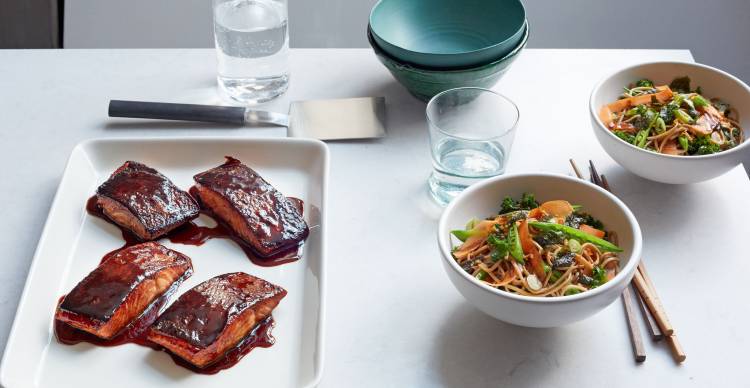
If you are exploring the most delicious and reliable gordon ramsay salmon recipes, you have found a true winner. This quick, sweet, and savory Teriyaki Salmon combines the rich, buttery flavor of fresh salmon with a perfectly balanced homemade teriyaki glaze. Whether you are hosting a dinner party or just looking for a simple, elegant weeknight meal, this recipe delivers restaurant-quality results with minimal effort in just over 30 minutes.
Why You’ll Love This Recipe
There is a reason why gordon ramsay salmon recipes are so highly sought after by home cooks. This specific teriyaki version skips the store-bought sauces heavily laden with refined sugars, opting instead for a natural sweetness from maple syrup. It requires only a handful of fresh ingredients, minimal prep time, and cooks in under 10 minutes. The resulting dish offers a beautiful contrast between the crispy skin, tender, flaky interior, and a sticky, aromatic glaze.
Ingredients
To recreate this masterpiece at home, you will need the following simple ingredients:
- Fresh Salmon Fillets: Four fillets (about 500g or 1.1 lbs in total). Leaving the skin on is highly recommended to protect the delicate flesh while cooking and to provide a lovely crispy texture.
- Fresh Root Ginger: A 2cm (about 1-inch) piece, peeled and finely sliced, to provide that essential bright, slightly spicy kick.
- Garlic: 2 cloves, peeled and finely sliced, for aromatic depth.
- Soy Sauce: 3 tablespoons to serve as the savory, umami base of the teriyaki marinade.
- Maple Syrup: 2 tablespoons. This is Gordon’s clever twist, substituting traditional white sugar for rich, earthy sweetness.
- Mirin (Rice Wine): 1 tablespoon to give the sauce a glossy finish and a touch of tanginess.
- Olive Oil: A drizzle for the marinade, plus an extra dash for the skillet.
- Seasoning: Sea salt and freshly ground black pepper.
How to Prepare the Salmon
Before cooking, it is crucial to prepare your fish properly. Gently run your fingers along the center of the salmon fillets to check for any leftover pin bones; remove them with kitchen tweezers if found. Pat the salmon fillets completely dry with a paper towel. This ensures the marinade adheres well and helps achieve a better sear when the fish hits the hot pan.
How to Make the Teriyaki Marinade
The magic of this dish lies in its sticky, flavorful dressing. In a medium-sized mixing bowl, combine the finely sliced ginger and garlic. Add the soy sauce, maple syrup, mirin, and a drizzle of olive oil. Whisk everything together until fully incorporated. This fresh mixture is leaps and bounds better than any pre-bottled teriyaki sauce.
How to Marinate and Cook the Salmon
Place the prepared salmon fillets in a shallow dish, season lightly with sea salt and freshly ground pepper, and pour the sticky dressing over the top. Cover the dish with plastic wrap and let it marinate in the refrigerator. Aim for at least 20 minutes to allow the flavors to penetrate, but do not exceed 2 hours, as the salty soy sauce can begin to break down the delicate protein.
When ready to cook, place a large skillet over medium heat and add a dash of olive oil. Once the oil is hot, carefully place the salmon in the pan skin-side down. Important: Reserve the leftover marinade in the dish. Let the salmon cook undisturbed for 2 minutes to crisp the skin. Next, pour the reserved marinade directly into the pan. Cook for an additional minute until you see the sides of the salmon turn opaque about halfway up.
Carefully flip the fillets. Cook for another 3 to 4 minutes on the flesh side. During this time, tilt the pan slightly and use a spoon to continuously baste the salmon with the bubbling sauce. If the glaze becomes too thick or starts to burn, simply add a splash of water to loosen it up.
How to Know When It Is Done
For the best texture and safety, knowing when to pull the fish from the heat is critical. The FDA recommends cooking fish to an internal temperature of 145°F (63°C). However, for a moister, medium-cooked center, many chefs prefer removing the salmon at around 125°F to 130°F (52°C to 54°C). Use an instant-read thermometer inserted into the thickest part of the fillet to check for doneness. The fish should flake easily with a fork but retain a slightly translucent, juicy center.
Resting and Serving Suggestions
Once cooked, transfer the salmon to individual plates and let it rest for a minute or two. This allows the juices to redistribute inside the fillets. Spoon any remaining sticky teriyaki sauce from the pan generously over the top of the fish.
This dish pairs beautifully with steamed jasmine or sushi rice, which naturally absorbs the extra sauce. For a well-rounded meal, serve alongside steamed bok choy, garlic green beans, or a crisp cucumber salad.
Storage and Reheating
If you have leftovers, allow the salmon to cool completely before transferring it to an airtight container. It will keep well in the refrigerator for up to 3 days. To reheat, avoid the microwave if possible, as it can overcook the fish and create a strong odor. Instead, gently warm the salmon in a skillet over low heat with a splash of water, covered, just until heated through.
Common Mistakes to Avoid
- Over-marinating: Leaving the fish in the soy-based marinade for longer than 2 hours can cure the fish, resulting in a mushy texture.
- Starting with a cold pan: Ensure your skillet is properly heated before adding the salmon to prevent sticking and to guarantee a beautifully crispy skin.
- Burning the glaze: The maple syrup in the marinade caramelizes quickly. Watch the heat closely and do not hesitate to add a splash of water if the sauce reduces too fast.
Frequently Asked Questions
Can I make this recipe gluten-free?
Yes. Simply swap the standard soy sauce for tamari or a certified gluten-free soy sauce alternative. The remaining ingredients are naturally gluten-free.
Can I bake this instead of pan-frying?
While pan-frying yields the best crispy skin and perfectly reduced glaze, you can bake the salmon at 400°F (200°C) for about 10-12 minutes. You will need to simmer the leftover marinade in a small saucepan on the stove to thicken it into a glaze.
Gordon Ramsay’s Teriyaki Salmon
Enjoy a restaurant-quality meal at home with this sweet and savory teriyaki salmon, cooked to perfection with a sticky maple and soy glaze.
Ingredients
- 4 fresh salmon fillets (about 500g / 1.1 lbs in total, skin-on)
- 2cm (1-inch) piece of fresh root ginger, peeled and finely sliced
- 2 garlic cloves, peeled and finely sliced
- 3 tbsp soy sauce
- 2 tbsp maple syrup
- 1 tbsp mirin (rice wine)
- Olive oil (for marinade and cooking)
- Sea salt and freshly ground black pepper
Instructions
- Make the Marinade: In a medium bowl, combine the finely sliced ginger and garlic. Stir in the soy sauce, maple syrup, mirin, and a drizzle of olive oil. Mix well to combine.
- Marinate the Salmon: Place the salmon fillets in a shallow dish and season them with sea salt and freshly ground pepper. Pour the sticky teriyaki dressing over the fish. Cover the dish with plastic wrap and place it in the refrigerator to marinate for at least 20 minutes (but no longer than 2 hours).
- Sear the Fish: Place a large skillet over medium heat and add a dash of olive oil. Once the oil is hot, lift the salmon from the dish and place it skin-side down into the pan. Keep the leftover marinade in the dish for now.
- Add the Glaze: Cook the salmon undisturbed for 2 minutes to crisp the skin. Pour the reserved marinade into the pan and cook for about 1 more minute, until you can see the salmon turning opaque halfway up the sides.
- Flip and Baste: Carefully turn the salmon fillets over. Cook for another 3 to 4 minutes on the flesh side. As it cooks, tilt the pan slightly and use a spoon to baste the salmon continuously with the thickening sauce. If the glaze becomes too thick or sticky, add a splash of water to the pan.
- Rest and Serve: Remove the salmon from the pan and let it rest for 1 to 2 minutes. Transfer to serving plates and spoon any remaining teriyaki sauce from the pan over the fillets. Serve immediately.
Recipe Notes
For the most accurate cooking results and to ensure food safety, use an instant-read thermometer. The fish is beautifully cooked and retains maximum moisture when the internal temperature reaches between 125°F and 130°F (52°C – 54°C), though standard FDA guidelines recommend cooking seafood to 145°F (63°C).